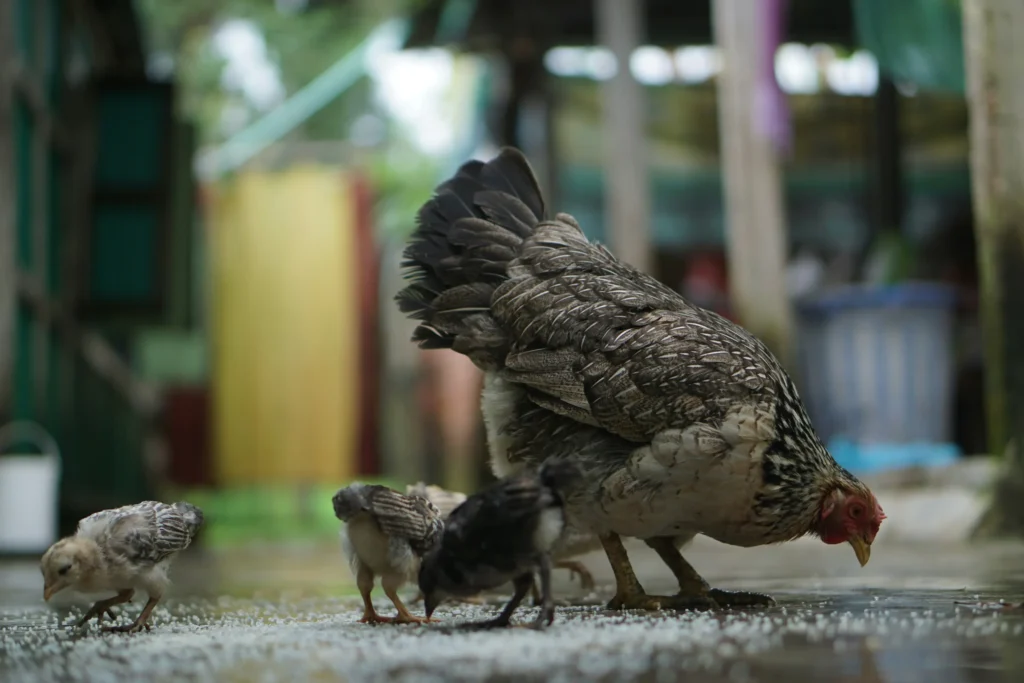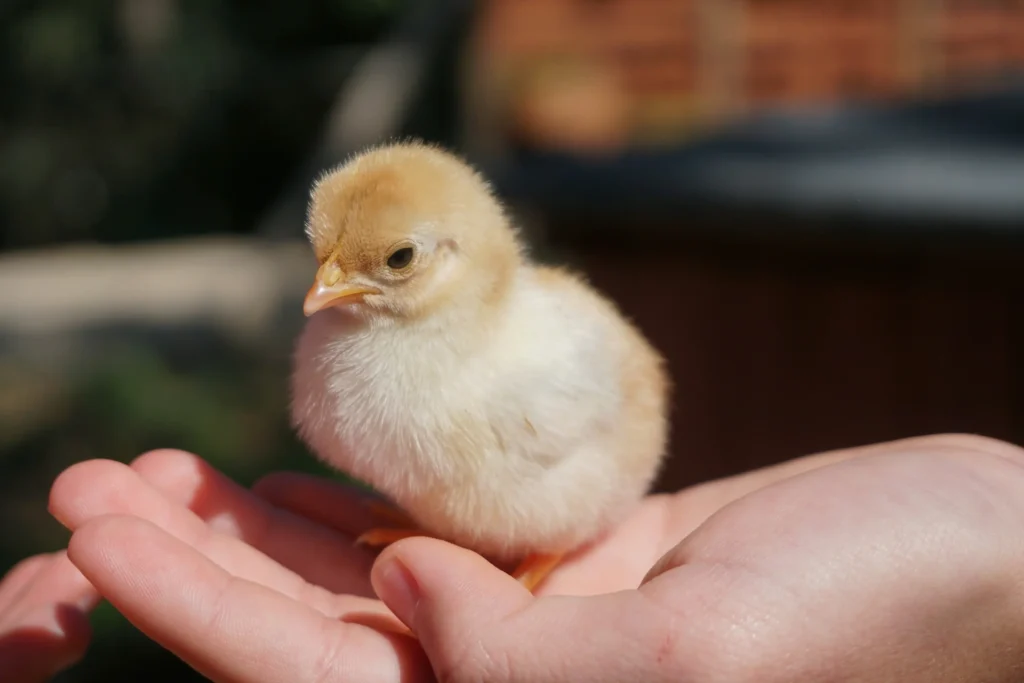
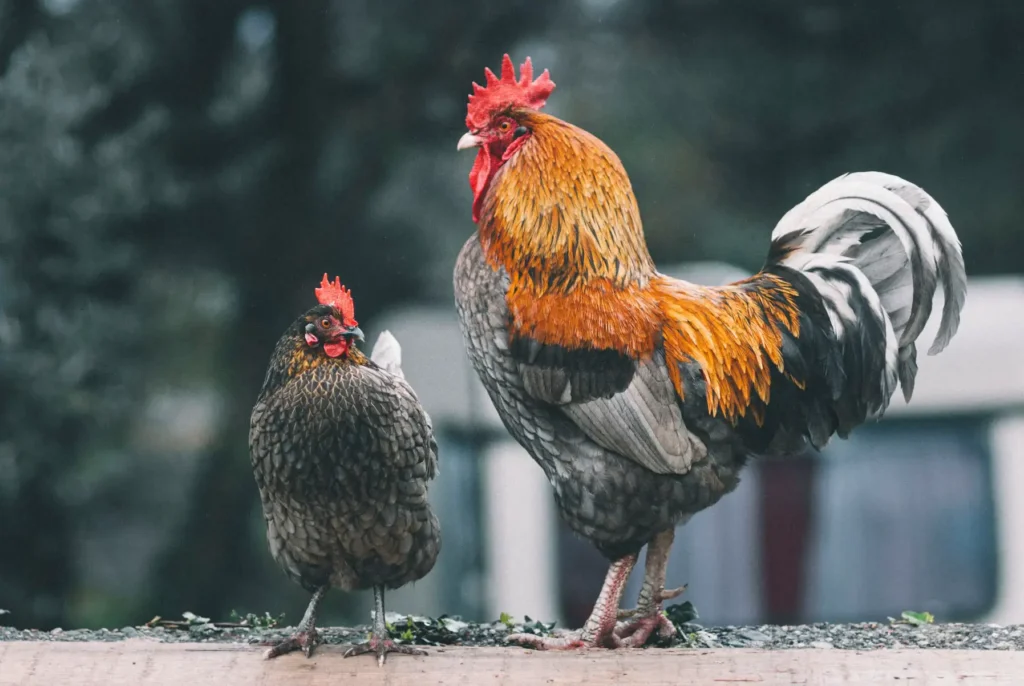
Raising backyard chickens is a rewarding and sustainable hobby that connects you to nature and fills your basket with fresh eggs. It’s also fun — each chicken has its own charm and personality. But here’s the key: choosing the right breed makes all the difference. The best backyard chickens are friendly, hardy, and great egg layers — a perfect match for beginners. With the right mix of traits, you’ll enjoy a smooth, stress-free start and a happy, productive flock. Whether you want colorful eggs, gentle companions, or a small home farm, the right breeds will make it possible. In this guide, we’ll explore ten beginner-friendly chicken breeds that are easy to care for, full of character, and wonderfully productive.
What Makes the Best Backyard Chicken Breeds for Beginners?
Not every chicken breed fits well in a backyard setting. The best backyard chicken breeds combine friendliness, steady egg production, and resilience — traits that make life simpler for first-time keepers. Before building your flock, it’s important to understand what defines a beginner-friendly bird. Let’s explore the qualities that make the best backyard chickens stand out.
Temperament and Friendliness — Why Gentle Backyard Chicken Breeds Are Ideal for Beginners
Calm and sociable chickens are easier to care for and much more enjoyable to raise. Friendly breeds like Buff Orpingtons or Australorps love human interaction, making daily feeding and handling simple. These gentle birds are great for families, especially those with kids, and create a peaceful backyard environment.
Egg-Laying Performance — What to Expect from the Best Egg-Laying Backyard Chickens
Egg production is one of the main reasons people raise chickens. Productive breeds such as Leghorns or Rhode Island Reds can lay up to 250–300 eggs a year. Others, like Easter Eggers, offer fewer but more colorful eggs. Understanding each breed’s laying habits helps you find the best match for your goals.
Climate Adaptability — Choosing the Best Backyard Chickens for Hot or Cold Weather
Climate plays a big role in keeping your flock healthy. Cold-hardy breeds like Wyandottes or Plymouth Rocks handle freezing winters well, while heat-tolerant breeds such as Leghorns or Andalusians thrive in warmer climates. Selecting chickens suited to your local weather ensures comfort and consistent egg production.
Maintenance Level — Low-Maintenance Backyard Chickens vs. High-Care Breeds
Some chickens are naturally easy to manage, needing little more than basic shelter, food, and space. Breeds like Australorps and Sussex are great examples. Others, especially ornamental or show breeds, require extra grooming and attention. Choosing low-maintenance backyard chickens helps beginners enjoy success with less stress.
The 10 Best Backyard Chickens for Beginners
If you’re just starting your backyard chicken journey, picking the right breeds will set you up for success. The best backyard chickens for beginners are friendly, reliable egg layers, and easy to care for in different climates. Here are ten of the most beginner-friendly chicken breeds, each offering its own mix of charm, productivity, and resilience.
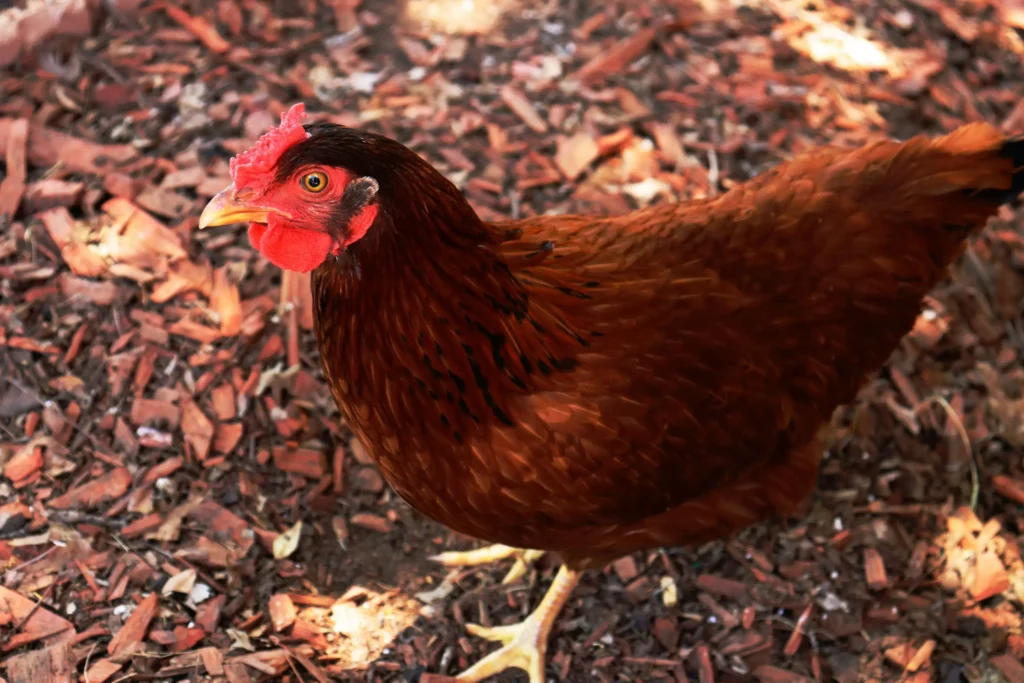
1. Rhode Island Red
Hardy and dependable, the Rhode Island Red is a classic favorite among new chicken keepers. These birds are prolific layers, producing around 250–300 eggs per year, and they adapt easily to various climates. Their calm yet confident nature makes them excellent choices for both backyard and small-farm settings.
2. Plymouth Rock (Barred Rock)
Known for their calm and friendly temperament, Plymouth Rocks are wonderful with children and easy to handle. They’re steady egg producers and serve as dual-purpose birds, providing both eggs and meat. Their striking barred feathers also add beauty to any backyard coop.
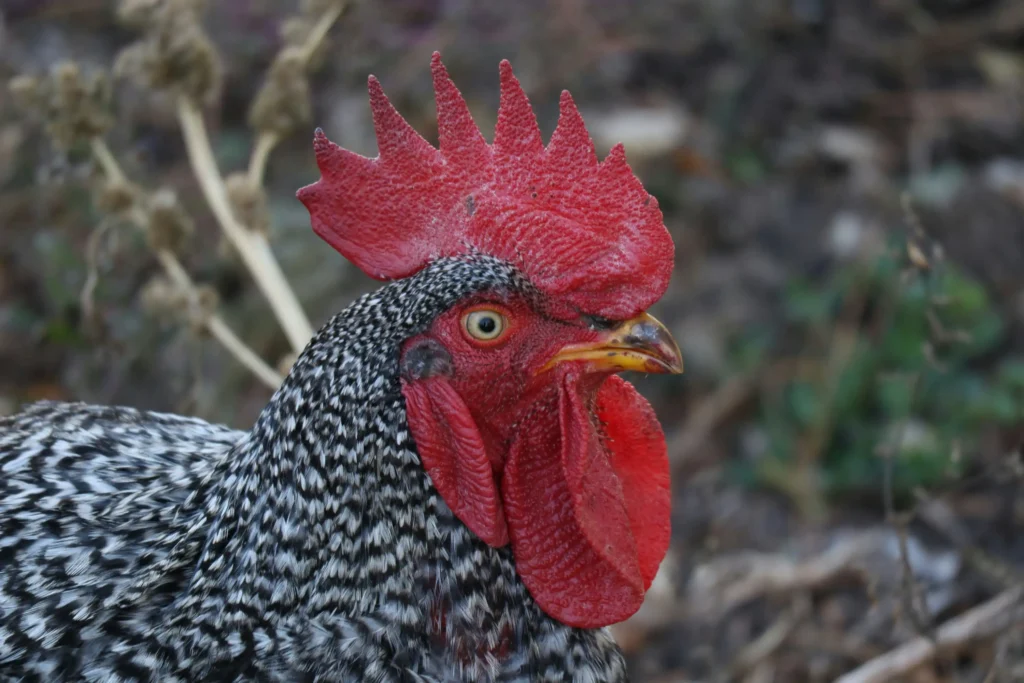
3. Australorp
Australorps are gentle, easygoing chickens famous for their incredible productivity — one even set a world record for laying over 350 eggs in a year. They’re hardy, adaptable, and perfect for beginners who want a stress-free flock with great returns.
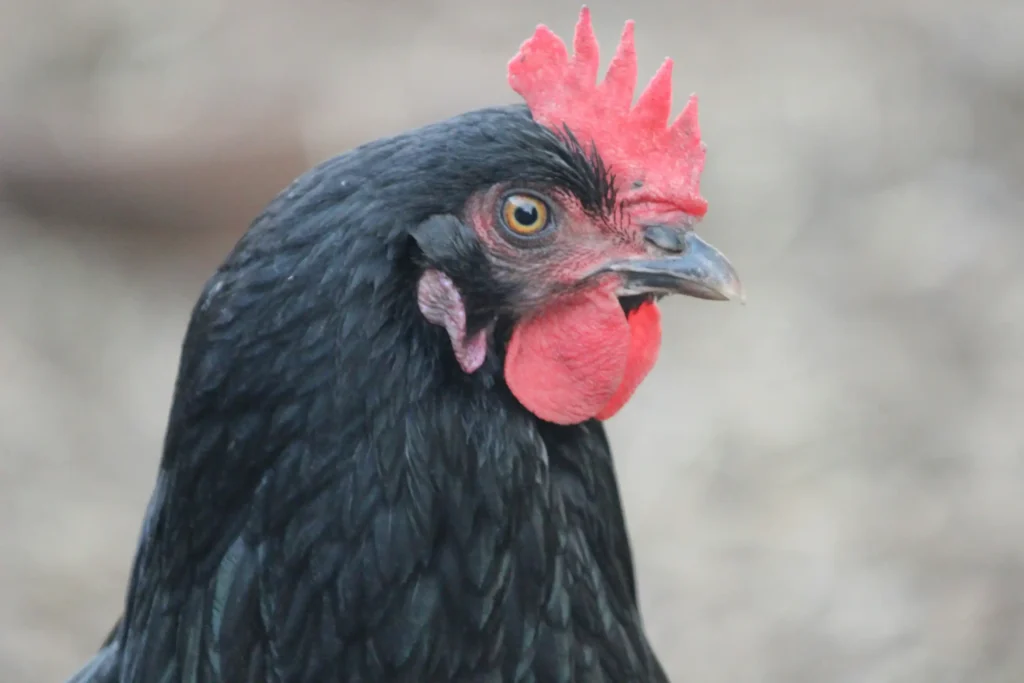
4. Buff Orpington
Often called “lap chickens,” Buff Orpingtons are among the friendliest breeds you’ll find. They love human attention, making them ideal for families. Beyond their docile nature, they’re also good layers and excellent mothers, often hatching and raising their own chicks with ease.
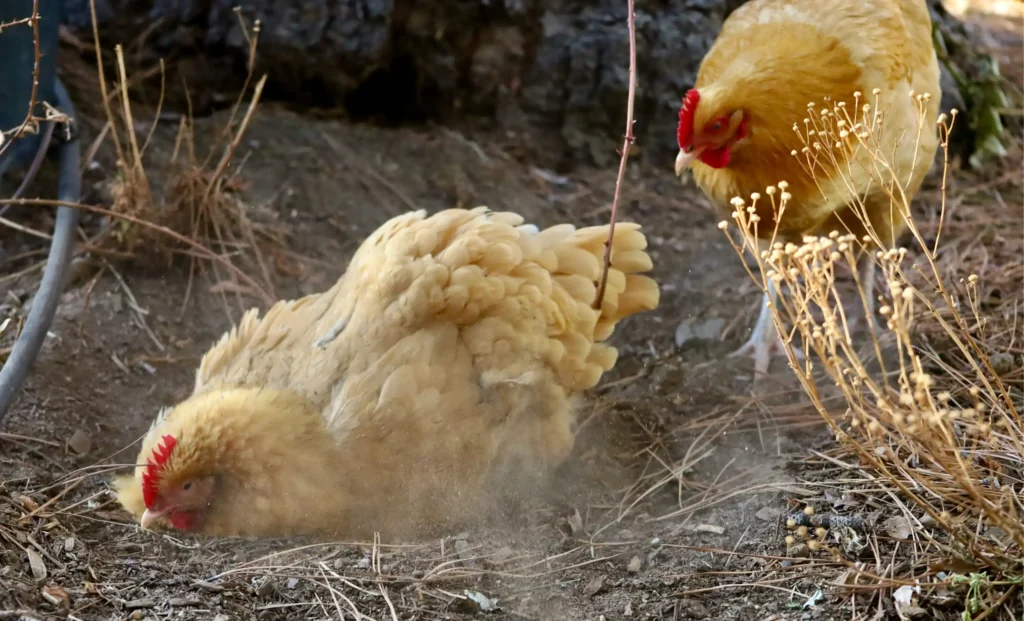
5. Sussex
Curious and active, Sussex chickens are natural foragers who love to explore their surroundings. They’re reliable layers, continuing to produce eggs even through colder months. With their calm nature and variety of color patterns, they’re a joy to keep year-round.

6. Wyandotte
With their gorgeous plumage and cold-hardy constitution, Wyandottes are both beautiful and practical. They’re dependable layers of medium to large brown eggs and require little maintenance, making them ideal for first-time chicken owners in cooler regions.
7. Leghorn
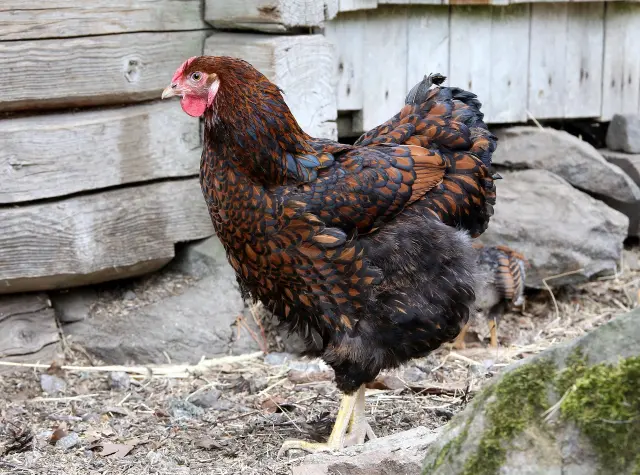
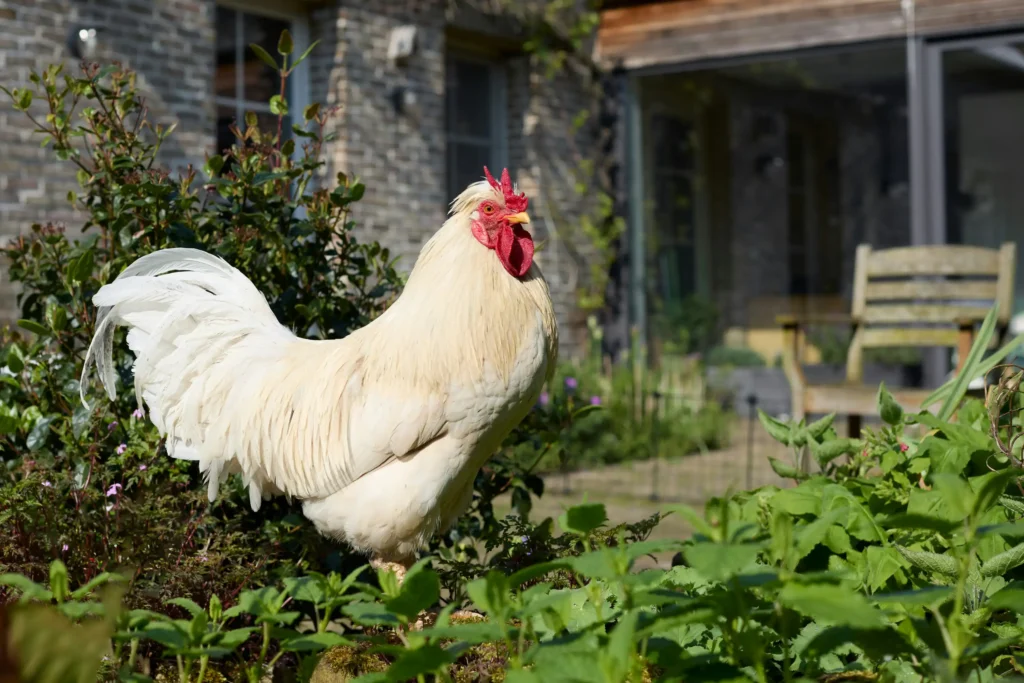
If egg production is your top priority, Leghorns are unmatched. They can lay up to 300 eggs per year, thrive in warm climates, and are energetic and alert. Their lively personality makes them fun to watch, though they prefer a bit of independence.
8. Silkie
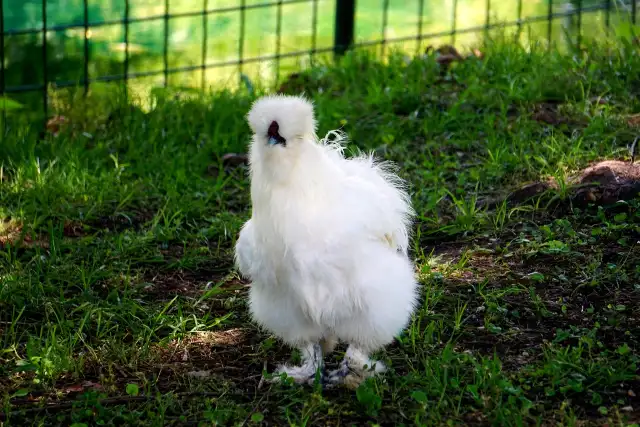
Fluffy and irresistibly cute, Silkies are gentle birds loved for their sweet temperament. They’re more of a pet breed than a high-production layer, but their calm nature and soft feathers make them perfect for families and children.
9. Easter Egger
Easter Eggers bring color and fun to your flock, laying beautiful blue, green, or even pink-tinted eggs. They’re friendly, adaptable, and thrive in a range of environments, making them one of the best backyard chickens for those who want variety and personality.

10. Cochin
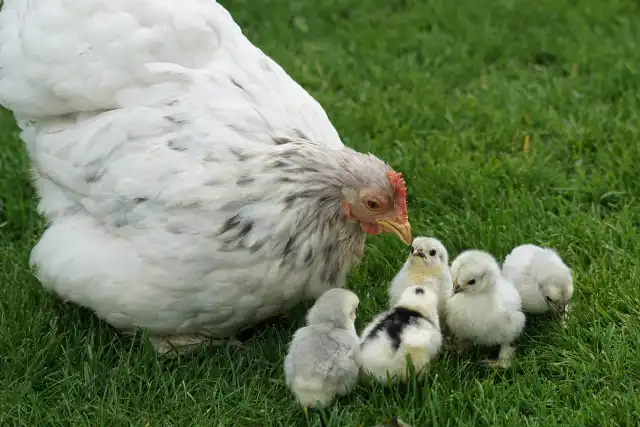
Large, feathered, and calm, Cochins are the gentle giants of the chicken world. Though not the most prolific layers, they excel as companions and add ornamental charm to any coop. Their serene temperament and fluffy appearance make them favorites among hobbyists and families alike.
How to Choose the Right Breed for You
Selecting the best backyard chickens for your flock depends on your goals, environment, and lifestyle. Not every breed fits every setup, so thinking ahead will save you time and frustration. Here’s how to make the right choice from the start.
Factors to Consider — Space, Weather, Egg Goals, and Temperament
Start with your space. Smaller yards suit compact, calm breeds like Silkies or Sussex, while larger properties can host more active chickens such as Leghorns or Rhode Island Reds. Next, match your breed to your local weather — cold-hardy types like Wyandottes thrive in northern climates, while heat-tolerant breeds like Leghorns prefer warmer regions.
Think about your egg goals too: do you want consistent daily layers or colorful novelty eggs? Finally, consider temperament. Friendly, docile breeds make the best companions for families and beginners.
Mixing Breeds Safely in One Flock
A mixed flock can be fun and diverse — different colors, personalities, and egg shades all in one coop. However, balance matters. Choose breeds with similar temperaments and sizes to avoid bullying. Gentle breeds like Buff Orpingtons, Australorps, and Easter Eggers often coexist peacefully. Always provide enough space, food, and perches to reduce competition.
Avoiding Beginner Mistakes — Overcrowding or Mixing Aggressive Types
One of the biggest rookie errors is overcrowding the coop. Chickens need personal space to stay healthy and stress-free — at least 4 square feet per bird inside the coop and 10 square feet in the run. Avoid mixing aggressive or territorial breeds, as they can disrupt the flock’s harmony. With the right setup and breed combination, you’ll create a peaceful, productive backyard flock that thrives all year long.
Backyard Chicken Care Basics
Once you’ve chosen the best backyard chickens for your flock, the next step is proper care. Healthy, happy hens reward you with fresh eggs, lively personalities, and years of enjoyment. Whether you’re raising chicks or maintaining a mature flock, here are the fundamentals every beginner should know.
Brooding and Housing Essentials
If you’re starting with chicks, they’ll need a warm, safe brooder for the first few weeks. Maintain a temperature of about 95°F (35°C) during the first week, then lower it by 5°F each week until they’re fully feathered. Once mature, move them to a secure coop that protects against predators, stays dry, and offers plenty of ventilation. Each chicken needs around 4 square feet of space inside and a comfortable nesting box for laying.
Feeding and Daily Maintenance Routines
Feed your flock a balanced layer feed enriched with calcium and protein to support egg production. Offer fresh water daily and supplement with kitchen scraps or garden greens in moderation. A simple daily routine — checking food, water, and egg boxes — keeps your chickens healthy and your coop tidy. Adding grit and oyster shells helps digestion and stronger eggshells.
Keeping Your Chickens Healthy and Happy Year-Round
Seasonal care makes a big difference. In winter, ensure proper insulation and dry bedding to prevent frostbite; in summer, provide shade and fresh water to avoid overheating. Regularly clean the coop, trim feathers around the vent if needed, and check for mites or parasites. Social interaction also matters — chickens are flock animals, and time spent watching them roam or dust-bathe keeps them content. With consistency and attention, your backyard chickens will stay active, productive, and full of personality all year long.
Common Beginner Questions About Backyard Chickens
Starting your first flock can feel exciting — and a little overwhelming. Here are answers to the most common questions new chicken keepers ask when raising the best backyard chickens for eggs, companionship, or sustainability.
How Many Chickens Should I Start With?
A small flock of 3 to 6 hens is ideal for beginners. That number provides a steady supply of fresh eggs without overwhelming your space or routine. Chickens are social animals, so avoid keeping a single bird — they thrive in groups and develop a clear pecking order that keeps them calm and cooperative.
Do Backyard Chickens Need a Rooster?
No, hens don’t need a rooster to lay eggs. Roosters are only necessary if you plan to hatch chicks. Many backyard chicken keepers skip roosters altogether, especially in suburban areas where noise might bother neighbors. However, a well-behaved rooster can protect the flock and help maintain order if you have enough space.
How Much Space Does Each Chicken Need?
Space is essential for healthy, happy hens. Each bird should have at least 4 square feet inside the coop and 10 square feet in the outdoor run. Overcrowding leads to stress, feather pecking, and lower egg production. Providing perches, dust-bathing areas, and shaded spots will keep your flock comfortable and active.
Can I Mix Breeds in One Coop?
Yes — you can safely mix breeds in one coop, and many keepers enjoy the diversity it brings. The key is choosing breeds with similar sizes and temperaments. Gentle, sociable breeds like Orpingtons, Australorps, and Sussex tend to get along well. Avoid combining very dominant or aggressive types with smaller, docile birds to prevent bullying. With thoughtful selection, a mixed flock can live together peacefully and add beautiful variety to your backyard.
Conclusion
Raising your own flock is more than a hobby — it’s a fulfilling, sustainable lifestyle that connects you to nature and rewards you daily. Choosing the best backyard chickens sets beginners up for long-term success by ensuring your birds are easy to manage, friendly to handle, and productive in the egg basket. Start small, observe your flock’s behavior, and let experience guide you. Over time, you’ll learn the rhythms of chicken keeping — from the first morning clucks to the satisfaction of collecting fresh eggs. Most importantly, enjoy the journey. With the right breeds and a bit of care, your backyard will soon come alive with charm, character, and the quiet joy of self-sufficiency.
Quick Comparison Table – Best Backyard Chickens for Beginners
| Breed | Temperament | Egg Production (per year) | Climate Suitability | Best For |
|---|---|---|---|---|
| Rhode Island Red | Hardy, Friendly | 250–300 | All | Egg yield |
| Orpington | Gentle | 200–280 | Cold | Families |
| Leghorn | Energetic | 280–320 | Warm | Productivity |
| Silkie | Very Gentle | 100–120 | Mild | Pets |
| Easter Egger | Curious | 250 | All | Colorful eggs |