
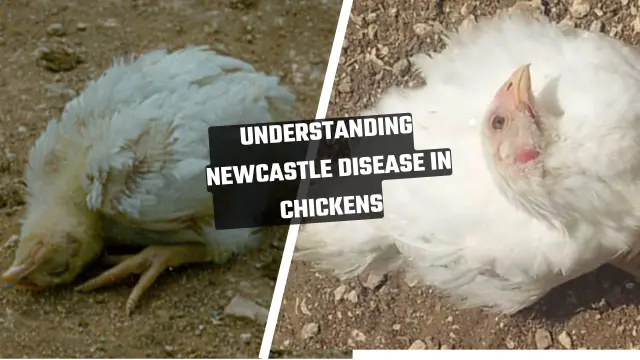
What is Newcastle Disease?
Newcastle disease prevention begins with understanding what this virus truly is and how it affects your flock. The disease is caused by avian paramyxovirus type 1 (APMV-1) — a highly contagious pathogen that targets the respiratory, nervous, and digestive systems of poultry, especially chickens. Infected birds often show symptoms such as coughing, paralysis, twisting of the neck, or sudden death. Because the virus multiplies quickly and attacks several organs at once, an outbreak can devastate a flock within days if no preventive measures are in place.
How It Spreads Among Chickens
Preventing Newcastle disease also requires knowing exactly how it spreads. The virus passes easily through direct contact between healthy and infected birds, but contamination is just as dangerous. Infected feed, water, tools, or clothing can all harbor the virus and transfer it to new hosts. Airborne particles — especially in dust or droplets — can carry the infection over short distances, making it extremely difficult to contain once it enters a poultry house. Poor hygiene, overcrowding, and lack of disinfection dramatically increase the risk.
Why It’s a Major Threat to Small and Large Flocks Alike
Newcastle disease poses a serious economic and biological threat to poultry keepers worldwide. The mortality rate in unvaccinated birds can reach up to 100%, causing huge financial losses in feed, production, and breeding efforts. For smallholders, an outbreak can wipe out years of progress; for commercial farms, it can trigger trade restrictions, export bans, and long-term reputational damage. Effective Newcastle disease prevention — through biosecurity, vaccination, and early detection — is therefore essential to protect both livelihoods and the sustainability of the poultry industry.
Recognizing Symptoms Early
Common Clinical Signs
One of the most critical steps in Newcastle disease prevention is spotting the infection before it spreads. Early recognition can make the difference between saving your flock and losing it entirely. Chickens infected with the virus often display respiratory signs such as coughing, sneezing, gasping for air, or nasal discharge. You might also notice greenish diarrhea, a loss of appetite, and sudden weakness. These symptoms appear quickly — often within two to five days after exposure — and can worsen rapidly in dense or poorly ventilated environments.
Neurological and Digestive Symptoms
As the disease progresses, it begins to affect the nervous and digestive systems, leading to more severe and alarming symptoms. Birds may show tremors, twisted necks (torticollis), loss of balance, or partial paralysis. Laying hens often experience a sharp drop in egg production, with eggshells becoming thin or misshapen. These neurological signs are clear indicators that the infection has advanced — at this stage, control and recovery become much harder, making early detection vital for effective Newcastle disease prevention.
How to Differentiate from Other Poultry Diseases
Because several poultry diseases share similar signs, farmers often confuse Newcastle Disease with others such as avian influenza or infectious bronchitis. The key differences lie in the pattern and speed of symptoms. Newcastle Disease typically causes severe neurological effects (like twisted necks and paralysis), which are less common in bronchitis or influenza. Additionally, the mortality rate in Newcastle outbreaks tends to be much higher and faster. For accurate diagnosis, it’s best to consult a veterinary laboratory that can perform tests like PCR or virus isolation to confirm the cause before taking action.
Key Strategies for Newcastle Disease Prevention
Preventing Newcastle Disease isn’t about luck — it’s about consistent, disciplined management. By combining vaccination, strict biosecurity, and sound flock management, you can drastically reduce the chances of an outbreak. Think of prevention as building a wall with three layers: immunity, hygiene, and environment. Each layer reinforces the others — remove one, and the virus finds its way in.
Vaccination — Your First Line of Defense
Vaccination remains the cornerstone of Newcastle disease prevention. Even with perfect hygiene, unvaccinated birds remain vulnerable. Proper immunization builds a protective barrier that reduces viral shedding and limits the spread of infection within your flock.
Recommended Vaccination Schedule
- Chicks: Begin vaccination as early as 7–10 days old using a live vaccine (such as Hitchner B1 or LaSota strain). A booster is usually given 2–3 weeks later.
- Growers and Adult Birds: Revaccinate every 3–4 months, or as advised by your local veterinary authority. In commercial systems, birds are often vaccinated through drinking water or aerosol sprays for even coverage.
Types of Vaccines
- Live Vaccines: Provide quick immunity but may cause mild reactions in very young or stressed birds. Ideal for early and mass vaccination.
- Inactivated Vaccines: Usually injected; offer longer-lasting protection and are best used as boosters for laying hens and breeders.
Proper Storage and Handling
Vaccines lose effectiveness if mishandled. Always:
- Keep them refrigerated (2–8°C) and away from direct sunlight.
- Mix only the amount you need immediately before use.
- Use clean, disinfectant-free water when diluting vaccines — chlorine or residues can kill the virus.
- Dispose of leftover vaccine safely and clean equipment afterward.
A well-executed vaccination plan not only safeguards your flock but also builds herd immunity that protects neighboring farms — a true community benefit.
Biosecurity Measures That Work
No vaccine can compensate for poor biosecurity. The virus spreads most easily through human activity — boots, tools, feed bags, or even the wind can carry contamination from one coop to another. Think of biosecurity as your farm’s invisible shield.
Access Control
- Limit visitors and enforce a “disinfect-before-entry” rule. Footbaths, gloves, and farm-specific clothing should be mandatory.
- Keep separate tools and feed trays for different flocks to prevent cross-contamination.
Quarantine New Birds
- Isolate new or returning birds for at least two weeks before introducing them to your flock.
- Monitor for coughing, discharge, or abnormal behavior during this period — early detection can stop a disaster before it starts.
Routine Cleaning and Disinfection
- Disinfect feeders, drinkers, and housing weekly using approved disinfectants effective against viruses.
- Remove litter regularly; replace it with dry, clean bedding.
- Maintain proper airflow and avoid overcrowding — tight spaces accelerate viral transmission.
Environmental and Feeding Practices
Strong birds resist disease better than weak ones. Nutrition, water quality, and stress management all play critical roles in prevention.
Clean Water & Balanced Nutrition
- Provide fresh, uncontaminated water daily — viruses can survive in dirty water for several days.
- Feed a balanced diet rich in vitamins A, E, and selenium, which strengthen the immune system and help birds recover faster from stress or mild infection.
Reducing Stress Factors
- Avoid sudden changes in temperature, lighting, or diet — these weaken the immune response.
- Keep predators, loud noises, and rough handling to a minimum. Calm, well-fed birds are naturally more resilient.
Even simple actions — like maintaining consistent routines and ensuring comfort — can dramatically lower the risk of Newcastle disease. Prevention, after all, is not a one-time task but a daily commitment to the health and stability of your flock.
Monitoring and Response Plan for Effective Newcastle Disease Prevention
Strong Newcastle disease prevention isn’t just about vaccines and hygiene — it’s also about vigilance. Detecting early signs and responding quickly can mean the difference between a small scare and a full-blown outbreak. A structured monitoring and response plan helps you stay one step ahead of the virus at all times.
Regular Health Checks and Record-Keeping for Newcastle Disease Prevention
Consistent observation is your most valuable tool. Every farmer should act like a detective — noticing subtle changes before they become red flags.
Daily Monitoring Practices:
- Watch for behavioral changes such as reduced feeding, drooping wings, or unusual sounds.
- Track production data — a sudden drop in egg output often signals early infection.
- Record any deaths or abnormal symptoms, even minor ones, as patterns reveal emerging risks.
Record-Keeping:
- Maintain a simple health and vaccination log for each flock. Include dates, vaccine types, and dosages.
- Note new bird introductions, cleaning dates, and feed changes — these help identify potential infection sources later.
Accurate records turn guesswork into strategy, enabling faster decisions when a threat arises.
What to Do if You Suspect a Newcastle Disease Outbreak
When symptoms suggest an outbreak, speed and containment become your top priorities. A delayed response allows the virus to spread rapidly through contact, droppings, or shared feed.
Immediate Steps:
- Isolate affected birds — move them to a separate, enclosed area. Avoid moving them between houses or farms.
- Restrict access to the poultry zone immediately. Only essential personnel should enter, wearing disinfected clothing and boots.
- Contact a licensed veterinarian or local agricultural officer right away for confirmation and guidance on testing.
- Report to authorities if required — Newcastle disease is a notifiable disease in many countries due to its economic impact.
Avoid selling, transporting, or culling birds without professional advice, as improper disposal can worsen contamination.
Containment and Disinfection After a Newcastle Disease Outbreak
A clean recovery process is essential to prevent re-infection and safeguard your reputation as a responsible poultry farmer. Proper disinfection breaks the chain of infection and restores safe conditions for future flocks.
Step-by-Step Sanitation Protocol:
- Cull and dispose of dead or infected birds according to veterinary or local biosecurity regulations (burial or incineration).
- Remove all litter, feathers, and waste from the poultry house — these materials harbor the virus for weeks.
- Thoroughly wash and disinfect all surfaces, tools, feeders, and water lines using a proven virucidal disinfectant.
- Allow housing to remain empty (“rested”) for at least 14–21 days to ensure all viral particles die off.
- Reintroduce new birds cautiously, ensuring they are vaccinated and quarantined before mixing.
Combine these steps with your long-term Newcastle disease prevention practices — vaccination, biosecurity, and proper nutrition — to rebuild stronger and more resilient operations. A disciplined response not only protects your birds but reinforces your role as a trusted, proactive poultry farmer in your community.
Common Mistakes to Avoid in Newcastle Disease Prevention
Even the most experienced poultry farmers can make small errors that open the door to Newcastle Disease. Awareness of these common mistakes helps you protect your investment, improve flock health, and maintain consistent productivity. Prevention isn’t just about what you do — it’s equally about what you avoid doing.
Skipping or Delaying Vaccination
One of the most frequent — and costly — mistakes in Newcastle disease prevention is neglecting the vaccination schedule. Farmers sometimes delay vaccination to save time or money, but this shortcut can lead to devastating losses.
Remember: once the virus strikes, vaccination can’t save already infected birds. Immunity must be built before exposure. Delays create a vulnerable window during which the entire flock is at risk. Always follow the recommended schedule and consult your veterinarian about the best vaccine strains for your region.
Consistent, timely vaccination isn’t an expense — it’s an insurance policy for your livelihood.
Allowing Wild Birds or Rodents Access to Feed
Wild birds, rats, and mice are silent carriers of the Newcastle virus. They contaminate feed and water sources with droppings or saliva, spreading the infection without any direct bird-to-bird contact.
To reduce this risk:
- Store feed in sealed containers and clean spills immediately.
- Install wire mesh or netting over open windows and feeding areas to block wild birds.
- Use rodent traps or repellents and maintain tidy surroundings free from leftover feed or nesting spots.
Think of feed safety as your first barrier — what enters your birds’ beaks should always be clean, safe, and uncontaminated.
Reusing Contaminated Equipment Between Flocks
Another easy-to-overlook mistake in Newcastle disease prevention is using the same tools, feeders, or crates between flocks without proper disinfection. The virus can survive for days on surfaces, equipment, and clothing.
Before introducing new birds:
- Clean and disinfect all equipment, housing, and water systems.
- Avoid sharing tools with neighboring farms unless they are sanitized.
- Replace old litter and bedding entirely — never reuse materials from a previous batch.
Even one contaminated feeder or water line can reignite infection. Treat every new flock as a fresh start, with strict hygiene and separation from past cycles.
Frequently Asked Questions (FAQ) on Newcastle Disease Prevention
Can Newcastle Disease Spread to Humans?
Newcastle Disease primarily affects birds, but in rare cases, humans can experience mild symptoms — typically eye irritation or flu-like discomfort — after direct contact with infected birds or live vaccines. These effects are temporary and not life-threatening.
However, the real concern is transmission among poultry, not people. Wearing gloves, washing hands, and avoiding direct contact with sick birds effectively eliminate any risk to humans.
How Long Does the Virus Survive in the Environment?
The Newcastle virus is surprisingly resilient. It can survive for days to weeks in organic material like droppings, litter, or contaminated equipment — especially in cool, damp conditions.
Under direct sunlight and high temperatures, the virus dies quickly. That’s why proper cleaning, disinfection, and resting of poultry houses are critical parts of Newcastle disease prevention. Never reintroduce birds until the environment has been fully sanitized and dried.
Is There a Natural Cure for Newcastle Disease?
Unfortunately, there is no natural or herbal cure for Newcastle Disease once birds are infected. Treatments such as herbs, tonics, or supplements may help ease symptoms or strengthen immunity, but they cannot kill the virus.
The only reliable protection is vaccination combined with strict biosecurity. Natural remedies can play a supporting role — not a substitute — in maintaining bird health and recovery.
How Often Should Backyard Chickens Be Vaccinated?
For small-scale or backyard flocks, a consistent vaccination schedule is vital. Start with a live vaccine at 7–10 days old, followed by a booster 2–3 weeks later. After that, revaccinate every 3–4 months to maintain strong immunity, especially in areas where outbreaks are common.
Always check with a local vet, as vaccine types and intervals may vary depending on regional virus strains and climate conditions.
Conclusion — Building a Healthier, Safer Flock
Newcastle Disease prevention isn’t a one-time effort — it’s a continuous commitment to the health and stability of your birds. The most successful poultry farmers share one thing in common: they stay proactive rather than reactive.
By now, you know the essentials — vaccinate on schedule, maintain strict hygiene, and monitor your flock daily. Each action reinforces the next: vaccination builds immunity, biosecurity stops the virus at the gate, and vigilance catches early signs before they spiral into disaster.
Even simple habits — changing boots before entering the coop, isolating new birds, or recording vaccine dates — create layers of protection that pay off in peace of mind and productivity. Healthy birds mean consistent growth, better egg yields, and fewer financial setbacks.
Now it’s your turn — protect your flock before the virus strikes.
Start by reviewing your current biosecurity plan, updating vaccination records, and training anyone who helps on your farm to follow prevention protocols. The time and care you invest today will reward you with a stronger, safer, and more resilient flock tomorrow.